Tips For Explaining Railroad Settlement Mds To Your Mom


Pancreatic cancer settlement For Emphysema
Emphysema results from years of exposure to harmful gases and fumes. Our FELA firm assists them in filing occupational disease claims.
Emphysema patients typically rely on railroad settlements to pay for the cost of hospitalization, surgery and other costs that are associated with the condition. There are a variety of different kinds of inhaled particles can trigger this lung condition including silica sand, diesel exhaust as well as asbestos.
Silica Sand
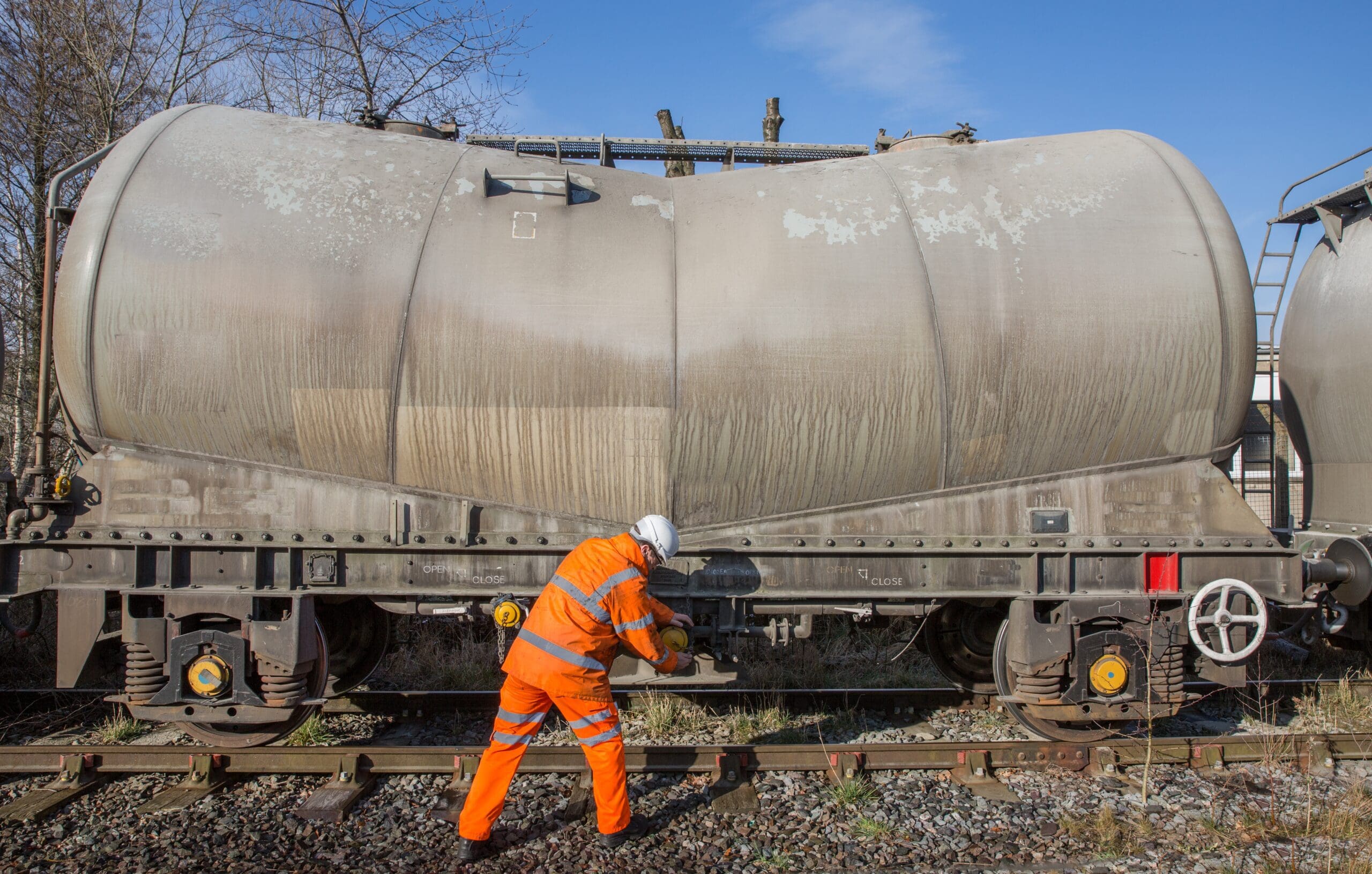
Silica is found in the earth's crust in small pieces of. It is made up of silicon dioxide (SiO2) that has a unique crystal structure that gives it its toughness and other properties. It is utilized in construction.
Inhaling silica dust could cause silicosis. It is a work-related lung disease that can lead to the death of the lungs. It occurs when tiny particles of silica crystals enter the lung creating inflammation and scarring. Over time, fibrosis begins to form around the silica particles and the lungs are permanently scarred. This can cause lung cancer, emphysema, or bronchitis.
Railroad workers are exposed to crystalline silica by different ways, such as hammering or drilling rock that contains silica; performing blasting with abrasive; and working using masonry and concrete. Other sources of crystalline silica include rice hulls and sand and other plant tissues containing silica and certain types paints.
The tiniest particles of silica are absorbed into the lungs where they cause serious damage. The railroads must protect their employees from silica by limiting the amount of time they spend in areas with significant dust from the air. Railroads should also offer mouthpieces and footwear made of sand for employees who use equipment that creates sand the air. Moreover, trains should be equipped with filters that will prevent the sand from getting into the cabin.
Welding Fumes
When you think of welding, the image is likely to be of an experienced welder, surrounded by glittering sparks and graceful curling fume. The romantic picture quickly fades when you consider the negative effects of the fumes that are released into the air on the health of workers.
The fume from welding is a toxic combination of metal particles, chemicals and gases. This mixture of elements can impact the health of welders both in long-term and short-term exposure. The exact makeup of welding fumes is determined by a variety of factors such as the type of metal to be welded as well as the coatings and paint on the metal, as well as the gas used for shielding.
In spite of the composition of the welding fumes, a common reaction for welders is metal fume fever, which is manifested by flu-like symptoms like fatigue, chills and aches. The symptoms can also include a metallic taste in the mouth as well as an overall feeling of sickness.
The exposure to welding fumes could be reduced through a variety of control measures including local exhaust ventilation (LEV) and respiratory protection equipment and mechanical general ventilation. It is crucial to remember that these measures should only be utilized as a last-resort. In the event that welding fume levels are not able to be controlled with these methods it is recommended that a COSHH assessment should be carried out to identify appropriate controls. This includes estimating the amount of exposure and determining what steps should be taken to minimize the risk if it is not practical.
asbestos lung cancer settlement
In recent years, there has been an increase in the use of "cleaner" engines for vehicles and trucks. People who work in the fields of construction and agriculture or other industries which rely on large equipment that burns fuel, are still exposed to the harmful fumes. These fumes are loaded with hundreds of harmful chemicals that cause harm to the skin, lungs and internal organs.
Railroad employees who operate trains are typically exposed to diesel exhaust fumes from locomotives as they drive through the tracks or in the engine cab. Additionally, shop workers who are required to remain in the engine while it is in the shops may also be exposed to these toxic fumes.
Diesel exhaust from diesel engines contains gasoline that has not been burnt as well as toxic chemicals. These chemicals include particulate matter (soot), carbon monoxide, nitrogen oxides hydrocarbons and volatile organic compounds. Inhaling high levels of these pollutants could result in respiratory symptoms like a snoring cough, irritation in the throat and nose and a shortness of breath. It may also cause an accumulation of lungs.
Studies on diesel exhaust have shown that it may also increase the risk of developing lung cancer in humans. This has led to the International Agency for Research on Cancer (part of the World Health Organization) to declare diesel exhaust carcinogenic to humans.
Lymphoma lawsuit settlement was once a popular material in the railroad industry. It was strong, durable, and resistant to corrosion and a superb insulation. It was also cheap to produce and easy to install in rail automobiles. Unfortunately, asbestos has been linked with kinds of lung cancers and other illnesses. The mesothelioma lawyers at Simmons Hanly Conroy understand the effects of asbestos exposure on the life of railroad workers as well as their health. We help railroad workers who have been injured claim FELA suits to receive an amount of money for their ailments.
Studies have found that railroad workers have a higher risk of mesothelioma, as well as other asbestos-related diseases than the rest of the workforce. This is particularly the case for those who worked prior to 1950, when railroads started operating using diesel engines instead of steam. These workers of the past may have been exposed to asbestos when they were building, repairing or sanding rail cars, ties and locomotives made of asbestos, a deadly material.
Many railroad workers who were exposed to mesothelioma or asbestos were not aware of their condition until decades afterward. If you have a respiratory illness such as COPD, lung carcinoma or mesothelioma, which is associated with your railroad job, it is vital that you seek out a mesothelioma attorney immediately.